

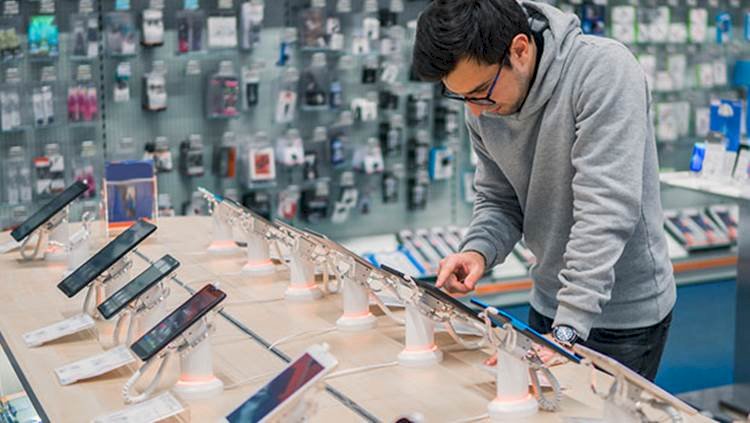
Since the launch of the first iPhone in 2007, the latest smartphones come at an almost uncomfortable pace.
Unlike other consumer electronics categories, prices have generally increased with each new product, in contrast to TVs, where prices are constantly falling.
Over the years, consumers have been directed to get the newest and the best.
Perhaps due to a new recession in the horizon, or simply because new devices have largely failed to deliver improved bells and whistles, consumers have begun to reluctance to buy what the producers want. What's more, the long queues that were created to have the newest phone first had a history.
Survey Findings
Less than one-six of those attending the ECT News survey said they would want the latest model, but even these people were reluctant to pay more than $ 1,000 for this new shiny phone. One fifth said he would be happy to buy a slightly older model for between $ 500 and $ 750.
The majority of respondents, about one third of them were happy to give up an iPhone or Galaxy device and said a good handset would be enough for $ 350 or less.
More than one in five said phone prices were ridiculous and they wouldn't pay more than $ 100. About one tenth of the participants stated that they do not want a smartphone.
How much money are you willing to pay for a new smartphone?
You'll pay $ 1,500 or more for your latest iPhone or Galaxy flagship phone. (% 2nd)
I want the latest model, but I don't think I'm going to pay more than $ 1 thousand for a phone. (14%)
I'm glad to have a slightly older model in the $ 500- $ 750 range. (19%)
I don't need an iPhone or Galaxy. I can find a really good phone at a price of $ 350 or less. (33%)
Phone prices are ridiculous. I don't pay more than $ 100. (23%)
I don't have a smartphone or I don't want to. (% 9)
Price pressure on Smart Phone Reception
One reason why high prices don't cover some customers is that most people don't actually pay the full tag price - at least not from the front. Even the highest quality phones continue to be supported by carriers.
"People rarely pay for the label, but they are financing the device," said Roger Entner, chief analyst at Recon Analytics. "The monthly cost is usually between 30 and 35 dollars, so the longer the device becomes more expensive, the longer the financing time."
. The cost of pocket money is the same, so people keep their phones longer, Ent said Entner. ”It's like the old joke: I don't care how much gas costs for putting just 10 dollars in the car.“
However, even with subsidies, Apple and Samsung can reach a point where even the most enthusiastic early adopters finally end up saying en enough eves - especially if the phone costs more than 30 to 35 dollars per month.
Lar Customers' appetite for new phones is getting cold for two reasons, uy said Jeff Kagan, a telecommunications industry analyst.
”Firstly, there are very few innovations that make the price even higher than ever before, and the latter is worth noting,“ he said.






Yorumlar
Kalan Karakter: